A consistent bedtime routine can reduce nightly battles, ease transitions, and help kids fall asleep more calmly. When the steps stay the same, your child’s brain starts to recognize a familiar pattern—less negotiating, fewer surprises, and a gentler landing at the end of the day. Below is a practical, repeatable routine you can tailor by age, temperament, and family schedule, plus a ready-to-use checklist option to keep everyone aligned.
Bedtime routines work because they turn a messy end-of-day stretch into predictable cues. Instead of deciding (and re-deciding) what comes next, your child follows the same sequence until it becomes automatic.
For additional sleep guidance and age-based sleep needs, reputable starting points include the American Academy of Pediatrics sleep resources and the CDC’s sleep information.
Before you perfect the checklist, lock in three basics: timing, the bedroom environment, and what happens after lights-out. Most bedtime struggles ease when these pieces are consistent.
| Age range | Typical routine length | Wind-down starts | Notes to keep it smooth |
|---|---|---|---|
| Toddlers (2–3) | 25–40 min | 45–60 min before sleep | Short steps, same order; avoid stimulating play right before pajamas |
| Preschool (4–5) | 30–45 min | 60 min before sleep | Offer limited choices (2 pajama options, 2 books) to reduce power struggles |
| School-age (6–9) | 25–40 min | 60–75 min before sleep | Add a quick backpack/next-day prep to reduce bedtime worries |
| Tweens (10–12) | 20–35 min | 60–90 min before sleep | Keep screens out of the last hour when possible; focus on independence with a checklist |
The goal is not a “perfect” evening—it’s a repeatable order that feels boring (in a good way). Consider this flow a default that you keep stable even when the day is hectic.
Keep it short enough that you can say it every night without negotiating: “I love you. You’re safe. It’s time for sleep. See you in the morning.” Then do the final tuck-in step and leave.
Customization helps kids feel some control—without turning bedtime into a choose-your-own-adventure. A dependable structure with tiny choices is often the sweet spot.
If you’re also working on consistent habits as a family (morning routines, homework flow, weekend prep), a structured planning resource can help routines “hold” longer. Consider pairing bedtime consistency with Get Real: The Smart Way to Set Goals That Actually Happen – How to Set Realistic Goals and Achieve Them Guide for practical, step-by-step follow-through.
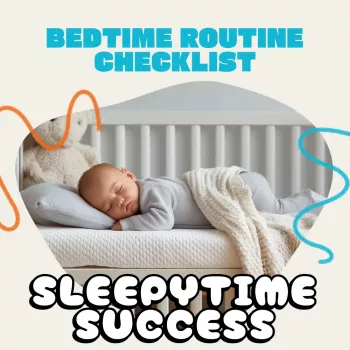
For a ready-to-use option, see Sleepytime Success: The Ultimate Bedtime Routine Checklist for Kids (Digital Download)—designed to make the nightly sequence clear, consistent, and easy to follow.
Most kids do well with about 20–45 minutes, depending on age and what’s included (bath, reading, connection time). Consistency matters more than the exact length, and overtired kids often do better when wind-down starts earlier.
Return them to bed calmly with minimal talking and repeat the same response each time. A clear after-lights-out rule (one hug, one sip of water, then back to bed) works best when every caregiver follows it the same way.
Reducing screens in the last hour before sleep helps protect the wind-down window, especially for kids who get energized or emotionally stuck on what they’re watching. Swapping to calm activities and keeping devices out of the bedroom can make the routine more predictable.






Leave a comment