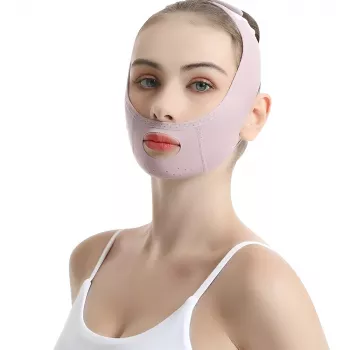
A breathable face slimming band is designed to provide gentle compression and lift along the jawline and chin area. With the right fit and a sensible routine, it can create a temporarily smoother, more “supported” look—especially helpful before photos, events, or a short self-care session. Comfort matters most: breathable materials, soft edges, and adjustable tension help you wear it briefly without feeling overheated or restricted.
V-line bands (sometimes called face-lifting or jawline support bands) focus on the lower face—under the chin and along the jawline. When worn correctly, they can:
Not all chin/jaw bands feel the same. If comfort is the goal, look for construction details that reduce heat, friction, and constant readjusting.
| Feature | Why it matters | What to check before buying |
|---|---|---|
| Breathability | Less sweat and irritation during short sessions | Air-permeable fabric; not overly thick |
| Compression level | Comfortable contouring without pain or numbness | Firm but not tight; no tingling or pressure headaches |
| Fit adjustability | Improves stability and reduces slippage | Adjustable closure; enough range for different face shapes |
| Skin feel | Lower chance of chafing or friction marks | Soft interior; smooth seams; gentle edges |
| Care and hygiene | Prevents odor and breakouts from trapped oils | Washable; dries quickly |
“Breathable” should be more than a buzzword—especially for something worn under the chin where heat can build quickly. A comfort-forward band typically aims for:
If you’re prone to irritation, it’s also smart to learn common triggers and prevention steps for skin reactions. The American Academy of Dermatology Association offers a helpful overview of contact dermatitis and ways to prevent it: https://www.aad.org/public/diseases/eczema/contact-dermatitis.
A V-line band looks and feels best when it’s placed evenly and tightened gradually. A simple routine:
The “right” tension feels supportive—not restrictive. Since face shapes vary, adjustability usually matters more than maximum compression.
These bands are best treated like occasional compression wear: helpful in short sessions, not something to “push through” if it hurts.
If jaw clicking, pain, or pressure sensitivity is already an issue, pressure-based wearables can aggravate symptoms. Cleveland Clinic’s TMJ overview is a reliable reference for common symptoms and management options: https://my.clevelandclinic.org/health/diseases/5465-tmj-disorders.
Start with short sessions (about 15–30 minutes) and increase gradually only if it stays comfortable. Avoid pushing through numbness, tingling, jaw pain, or headaches, and don’t wear it while sleeping unless a clinician advises it.
The effect is typically temporary and cosmetic—most noticeable while the band is worn. Long-term structural changes aren’t expected from a band alone, so it’s best to keep expectations realistic and focus on safe, comfortable use.
It can be, but hygiene and short wear time are key: use clean, dry skin, wash the band frequently, and stop if irritation worsens. If acne or dermatitis is persistent, getting guidance from a clinician is the safest next step.



Leave a comment