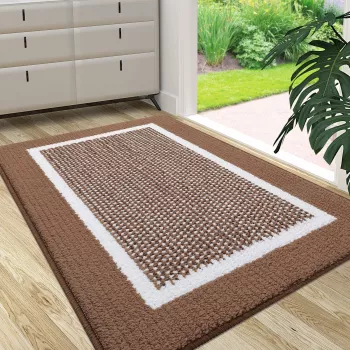
A reliable indoor mat helps keep floors drier, cleaner, and safer—especially in busy entryways and kitchens where water, crumbs, and tracked-in grit are common. This absorbent, dirt-resistant rug is designed to trap moisture and debris while staying put underfoot, making it a practical upgrade for daily foot traffic.
Indoor floor messes rarely come from one source. Rainwater, melting snow, muddy shoes, pet paws, and everyday kitchen splashes can quickly turn a smooth surface into something slick or grimy. A well-designed indoor doormat acts like a “buffer zone” between the mess and the rest of the house.
Reducing slip and trip hazards is also a daily-living safety win. Simple steps like controlling tracked-in water and keeping transitions tidy align with broader fall-prevention guidance from public health organizations such as the CDC.
Placement matters as much as performance. The best spot is where mess starts—right where people naturally step, drip, or unload groceries.
| Location | Common mess | What to look for |
|---|---|---|
| Inside entry door | Wet shoes, grit, fine dust | Good absorbency and easy shake/vacuum cleanup |
| Kitchen sink | Drips, splashes, frequent foot traffic | Non-slip backing and quick-dry surface |
| Dishwasher | Water droplets after unloading | Low-profile edge to reduce tripping |
| Mudroom/hallway | Sand, salt residue, leaves | Dirt-trapping texture and durable construction |
| Pet bowl area | Water splashes, crumbs | Easy-to-clean surface and stable grip |
A mat that looks good but slides around defeats the purpose. The most useful indoor mats balance grip, low-profile clearance, and a surface that holds onto debris until you’re ready to clean it.
Another underrated benefit: by trapping fine debris near the door and in work zones, you reduce how much dust gets distributed into living spaces—an important part of maintaining a cleaner indoor environment. For additional household guidance on indoor air considerations, the EPA’s Indoor Air Quality resources are a helpful reference point.
Choosing the right mat is less about guessing and more about observing how the space is used. A mat placed where people actually step will outperform a larger mat that’s slightly “off path.”
If you’re setting up a kitchen run (sink to dishwasher to trash), consider orienting the mat lengthwise along the most common pivot points. That keeps drips and wet footprints off the surrounding floor without forcing awkward side steps.
Absorbent mats perform best when their surface can keep “grabbing” moisture and debris. A little routine care prevents grime from embedding and helps the backing keep its grip.
Yes—non-slip backings typically grip smooth surfaces well when the floor underneath is clean and dry. For best results, avoid leaving dust or moisture under the mat and check any care notes related to your specific floor finish.
Vacuum about once a week for typical households, shake it out as needed when debris builds up, and spot-clean spills right away. During rainy weeks, snow season, or heavy foot traffic, cleaning more frequently helps maintain absorbency and traction.
Yes—placing a mat near sinks and dishwashers helps catch drips and adds comfort where you stand most. Keep the underside dry for better grip, and place it where it won’t create a trip point in a doorway or tight pass-through.





Leave a comment