Severe separation anxiety usually shows up when a child’s brain and body read separation as a real threat, even when they’re safe. Some kids are naturally more sensitive, have a “slow-to-warm” temperament, or get overwhelmed by new people and places, which can make goodbyes feel huge. Big changes—starting daycare, a new sibling, moving, travel, or a shift in caregivers—can also intensify anxiety because routines and predictability (a child’s safety map) suddenly change.
Sometimes it’s a developmental leap: as object permanence and memory strengthen, your child can clearly imagine you being gone—and that picture can spark panic. Other times, the reaction is fueled by past stress: a recent illness, hospitalization, or a scary event can make a child clingier and more vigilant. Sleep disruptions, missed naps, or hunger can further lower coping skills, turning a typical protest into a full meltdown.
If the anxiety feels “severe,” look at how often it happens, how long it lasts, and whether it’s interfering with school, sleep, or daily life. Physical complaints (stomachaches, headaches) and intense panic at separation can be common, but persistent distress may benefit from extra support. A pediatrician or child therapist can help rule out medical issues and coach strategies tailored to your child.
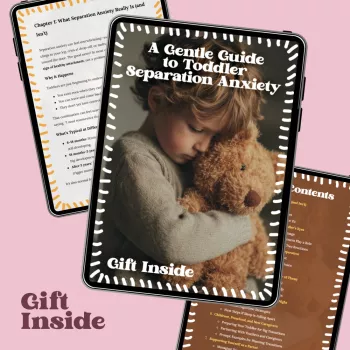
Consistency and calm, confident goodbyes are powerful. Keep departures brief, use the same script each time, and follow through. Practice short separations, build a predictable routine, and offer a comfort object when appropriate. For step-by-step ideas on creating calmer goodbyes and strengthening secure attachment, read this guide to toddler separation anxiety.
For Severe Separation Anxiety in Kids: Causes and What Helps, the best answer depends on fit, material, care instructions, and how the product will be used day to day.
Use a short, repeatable goodbye routine, keep your tone steady, and leave promptly once you’ve said goodbye. Lingering or returning “one more time” can accidentally teach that panic brings you back.






Leave a comment