Separation anxiety is a normal part of toddler development, but it can feel intense when your child clings, cries, or panics the moment you step away. The goal isn’t to “toughen them up”—it’s to help them feel safe, predictable, and confident that you always come back.
Create a simple goodbye routine you can repeat every time: a hug, a phrase (“I’ll be back after snack”), and a wave. Keep it brief and calm. Long, emotional exits often signal that something scary is happening, which can make the reaction bigger next time.
Toddlers handle separation better when they understand what happens next. Give a quick, concrete timeline tied to their day (“after your nap,” “after story time”). If they’re old enough, a visual cue like pointing to the clock or a simple picture schedule can help reinforce the plan.
Build tolerance in tiny steps: step into the next room for 30 seconds, then return and reconnect. Gradually increase the time. This teaches your toddler the pattern: you leave, and you come back—every time.
Offer a familiar item (blanket, stuffed animal) or a small “mom token” (a scarf with your scent, a family photo). Pair it with a consistent phrase like “You’re safe, and I come back.” Repetition helps your toddler borrow your calm.
If a partner, grandparent, or daycare teacher is taking over, do a warm hand-off: greet the caregiver together, name what will happen next (“You’ll read a book with Sam”), then leave. Avoid sneaking out; it can increase vigilance and make future separations harder.
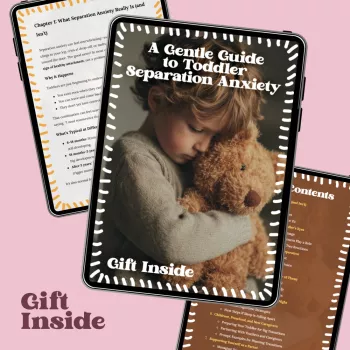
For more step-by-step strategies, sample goodbye scripts, and ways to support secure attachment, visit this complete guide to toddler separation anxiety.
Big changes like new classrooms, illness, travel, or developmental leaps can temporarily increase clinginess. A consistent routine, brief goodbyes, and a reassuring caregiver hand-off usually help within a few weeks.




Leave a comment