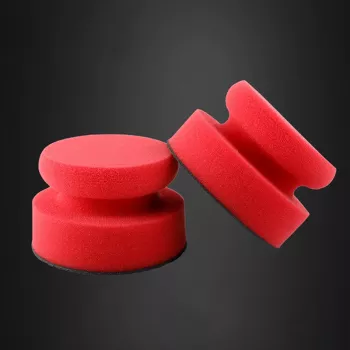
A clay sponge pad is made to lift bonded contamination that regular washing leaves behind—helping paint and glass feel smooth again and making wax or sealant apply more evenly. If your hood feels gritty even after a careful wash, or your windshield has a stubborn film that makes wipers chatter, a “magic” clay sponge can be the missing step between washing and protecting. Below is a practical guide to what it does, where it fits in a routine, how to use it safely, and how to keep it working like new.
Even a good shampoo can’t always remove particles that embed into clear coat and glass over time. That’s where a clay sponge pad shines: it gently shears away bonded contaminants so the surface feels slick again.
If you want a quick, easy-to-hold option for paint and glass, the Magic Clay Sponge Cleaning Eraser Hand Wax Polish Pad for Car Glass & Auto Detailing is designed for exactly this “between wash and wax” decontamination step.
Claying is most effective when the surface is already clean. Think of it as a refinement step: wash first, decontaminate second, protect third.
For broader maintenance guidance and how detailing steps work together, the Car Care Council offers helpful fundamentals that align well with this wash-decon-protect flow.
The safest technique is consistent: lots of lubrication, very light pressure, and small sections. The goal is to glide—never scrub.
| Surface | Lubrication level | Pressure | Finish step |
|---|---|---|---|
| Paint/clear coat | High (keep wet) | Very light | Wipe with microfiber; apply wax/sealant |
| Exterior glass | High (keep wet) | Very light | Glass cleaner; optional hydrophobic sealant |
| Glossy plastic trim | High (test first) | Very light | Wipe; trim-safe protectant if desired |
| Matte/satin finishes | Avoid unless confirmed safe for that finish | N/A | Use manufacturer-approved decon methods |
Most “clay damage” comes from rushing or letting the surface run dry. A clay sponge is forgiving, but it still needs clean technique.
If you want a deeper look at the general technique and why lubrication matters, Meguiar’s provides a solid overview of decontamination basics here: How to Clay Bar Your Car.
Long sessions can also be tiring on your hands and wrists, especially when working section-by-section. If comfort is a challenge, the Hands at Ease: Stop Mouse Pain Fast guide includes practical strategies for reducing hand strain that can translate well to repetitive tasks like detailing.
Yes—on exterior glass, use plenty of lubrication and very light pressure, then wipe clean and finish with a dedicated glass cleaner. Avoid using it on interior glass films or tinted surfaces unless you’ve confirmed it’s safe for that material.
No. Claying removes bonded contamination sitting on the surface, but it won’t repair scratches, swirls, or etched mineral water spots. Those issues usually require polishing or a dedicated water-spot remover.
A dedicated clay lubricant is ideal for maximum glide and safety. A slick car-wash shampoo diluted in water is also commonly used; the key is keeping the surface wet so the pad glides instead of grabbing.





Leave a comment