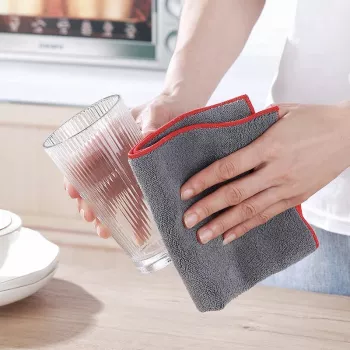
A double-sided coral velvet towel is designed for gentle, efficient car care—lifting dust and residue while helping reduce the chance of swirl marks. With two distinct faces, it can handle everything from quick touch-ups to drying and interior wipe-downs, making it a practical staple for regular detailing.
“Coral velvet” describes a plush, dense microfiber style that feels noticeably softer than thinner shop towels while holding more water and suds. That extra pile matters during wiping because it gives loose particles somewhere to go—up into the fibers—instead of getting pushed across the surface.
For light dusting, rinseless washing, and final buffing, a higher-pile towel can be especially helpful when paired with the right amount of lubrication. The double-sided construction also gives you two usable working surfaces, which can reduce towel swaps mid-detail and make it easier to keep a “clean side” reserved for final passes.
Used with appropriate cleaners and light pressure, coral velvet microfiber can work across paint, glass, trim, and many interior surfaces. The key is treating the towel like a precision tool: keep it clean, keep it plush, and don’t force it through grit.
Swirl marks usually come from contamination and pressure, not from microfiber itself. A double-sided towel helps because you can separate tasks: one face stays cleaner for finishing, while the other handles slightly messier removal steps.
| Towel side | Best uses | Tips |
|---|---|---|
| Side A (gentle finishing) | Final buff after wash, drying aid finish, quick detailer wipe, gloss trims | Keep this side cleaner; switch faces often; light pressure only |
| Side B (general cleaning) | Rinseless/waterless wipe, interior plastics, door jambs, removing light polish or wax haze | Use with adequate lubrication; avoid heavy grit; retire if it snags or hardens |
| Either side (as needed) | Glass cleaning + final buff | Use separate towels for heavily dirty glass or smoker film to prevent smearing |
A coral velvet towel shines in routines that prioritize gentle contact and controlled wiping. If a full wash isn’t happening, it still works well for careful touch-ups—provided the paint isn’t heavily dusty or gritty.
For general car-care guidance and best practices, resources from the International Carwash Association and the Auto Care Association can help reinforce safe maintenance habits.
Microfiber performance depends heavily on cleanliness and fiber condition. A towel that’s perfectly safe when plush can become grabby if product residue builds up or if fibers get heat-damaged.
| Item | Best for | Price |
|---|---|---|
| Double-Sided Coral Velvet Car Cleaning Towel | Paint-safe wiping, drying touch-ups, interior dusting | $19.37 USD |
| Car Plastic & Leather Restorer – Back to Black Gloss Coating & Polish | Restoring and enhancing plastics/leather after cleaning | $28.90 USD |
Yes—when it’s clean, used with proper lubrication (shampoo, rinseless, or a detail spray), and wiped with light pressure. Fold it often to expose clean sections, avoid dry wiping on dusty paint, and keep paint towels separate from towels used on wheels or other gritty areas.
Wash it separately from cotton with a mild detergent and no fabric softener, then dry on low heat or air dry. Avoid bleach and high heat, and rinse promptly after use so debris and chemicals don’t harden in the fibers.
Reserve the cleaner/softer side for final buffing on paint and glossy trim, and use the other side for initial wipe or residue removal steps. Switch faces frequently so you’re not dragging collected debris back across the surface.





Leave a comment