“Getting fit” doesn’t require a gym membership or fancy equipment—it requires a repeatable plan that trains the basics. For most beginners, home fitness comes down to three building blocks:
Beginners typically progress faster by practicing fundamentals consistently instead of doing random, all-out sessions. A realistic starting target is 2–4 short strength sessions per week plus light-to-moderate movement on most days (walking, stairs, easy cycling). To track progress, look for practical signals: more reps with clean form, less rest needed, stairs feeling easier, improved posture, and better sleep.
For general health, authoritative guidelines recommend regular weekly activity that blends cardio and strengthening work (see the CDC, World Health Organization, and ACSM).
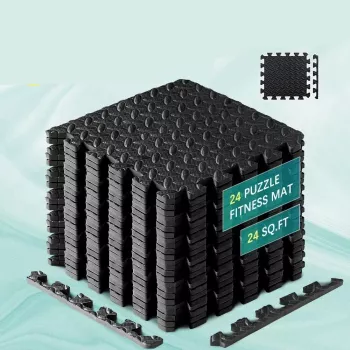
You don’t need a dedicated gym room. Pick a small “workout spot” with enough space to lie down and extend your arms and legs. A yoga mat is helpful, but a folded towel works fine.
If you spend long hours on a computer, keep your setup comfortable so your hands and wrists don’t sabotage consistency. The internal guide Hands at Ease: Stop Mouse Pain Fast | Practical eBook for Mouse Hand Strain Reduction, Ergonomic Setup, Pain Relief & Long-Term Comfort can be a helpful companion for dialing in daily ergonomics.
A quick warm-up prepares joints and muscles and helps you move with more control. Keep it simple and repeatable (5–7 minutes): brisk marching in place, arm circles, hip hinges, bodyweight squats to a chair, and gentle lunges.
These two routines hit the whole body and are beginner-friendly. Rotate them through the week so you practice the same core patterns and improve steadily.
| Workout | Exercise | Beginner option | Sets x reps / time | Form focus |
|---|---|---|---|---|
| A | Squat to chair | Sit back to a chair and stand | 2 x 8–12 | Knees track over toes; chest tall |
| A | Incline push-up | Hands on counter/sofa | 2 x 6–12 | Straight body line; elbows ~45° |
| A | Glute bridge | Feet hip-width on floor | 2 x 10–15 | Ribs down; squeeze glutes at top |
| A | Plank | Knees down if needed | 2 x 15–30 sec | Brace midsection; don’t sag hips |
| B | Reverse lunge | Hold a wall for balance | 2 x 6–10/side | Step back softly; upright torso |
| B | Slow lower push-up | Lower for 3–5 seconds | 2 x 3–6 | Control descent; reset at top |
| B | Hip hinge / good morning | Hands on hips, slight knee bend | 2 x 10–15 | Hips back; neutral spine |
| B | Dead bug | Short range at first | 2 x 6–10/side | Lower back stays gently pressed down |
This schedule keeps the workload manageable while building a steady rhythm. Stay at a moderate effort level: finish most sets with 2–3 reps in reserve (you could do a couple more if you had to).
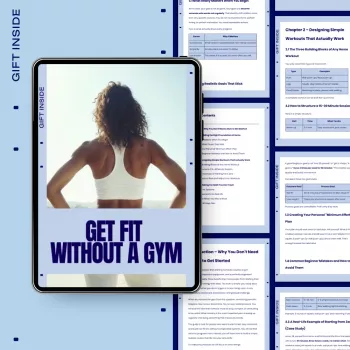
If you want a step-by-step beginner path that removes guesswork, see Get Fit Without a Gym – Simple Home Workout Guide for Beginners | Learn how to start workouts without gym. It’s most useful when you want clear weekly structure, exercise options for different ability levels, and an easy way to progress when a routine starts feeling “too easy.”
Most beginners do best with 2–3 strength sessions per week plus light movement (like walking) on most days. Recovery matters as much as the workouts, so start with what you can repeat consistently.
Yes—bodyweight training can build strength and endurance by progressively increasing reps, slowing the tempo, expanding range of motion, or adding another round. Small weekly changes add up quickly when form stays solid.
Switch to joint-friendlier options like chair squats, reverse lunges with a smaller step, and incline push-ups; reduce range of motion and move slower. Stop if pain is sharp or persists, and consider professional guidance if symptoms don’t improve.




Leave a comment