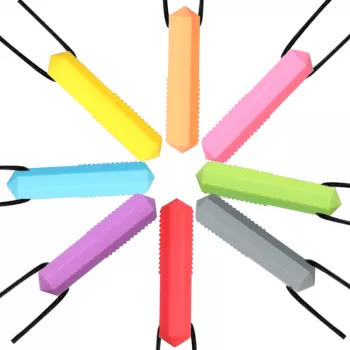
Teething can bring sore gums, extra drool, and a constant need to chew. A silicone teething necklace set offers multiple chew options in a gem-inspired shape, helping caregivers rotate clean pieces and keep a soothing tool within reach during busy days at home or on the go. If you like having backups ready for daycare bags, diaper caddies, or grandma’s house, a multi-pack can simplify the routine—especially during those weeks when everything seems to end up on the floor. For more guidance, see Swallowed Foreign Object.
If you’re shopping for a variety pack, take a look at the 10pcs Crystal Gem Silicone Teething Necklace for Babies & Kids—a practical option for rotating pieces through wash, dry, and “ready to grab” status. For further reading, see USPTO | TMOG Search.
One of the biggest advantages of a 10-piece set is flexibility. Instead of relying on a single teether (that inevitably disappears right when you need it), you can keep several clean options staged around the house and in travel spots.
For new-parent organization, pairing a multi-pack teether plan with a simple routine checklist can help. The Midnight Diaper Duty Made Easy – Printable New Parent Checklist is a handy add-on for streamlining nighttime supplies and reducing the “where did we put the clean one?” scramble.
Many caregivers choose silicone because it balances comfort and durability for everyday use. While every baby has preferences, silicone is often favored for its gentle give and easy-clean surface.
For general gum-soothing tips, the American Academy of Pediatrics shares practical guidance on comfort measures and what to avoid: Teething: Tips for Soothing Sore Gums.
When a baby is actively teething, it can feel like the need to chew comes in waves—often at the least convenient times. A wearable format can help keep a teether accessible, but it should be treated as a supervised soothing tool rather than a “set it and forget it” item.
A simple rotation system can make your day easier: keep one piece in the diaper bag, one in the kitchen, one in the living room, and a couple clean/dry in a designated container. This reduces the temptation to hand back something that hasn’t been cleaned yet.
Necklaces and cords require extra caution around babies and young children. Use only with active adult supervision, remove for sleep, and inspect frequently. For broader child safety guidance related to choking hazards and prevention, the CDC offers a helpful overview: Choking Hazards (Child Safety).
| Check | What to look for | What to do |
|---|---|---|
| Before each use | Tears, cracks, tacky surface, stretched cord | Do not use; replace damaged piece |
| During use | Baby pulling hard, chewing on cord/clasp, slipping toward neck | Reposition or remove immediately |
| Sleep time | Any necklace worn or within crib | Remove and store away from sleep area |
| Cleaning | Residue in creases, lingering odors | Wash thoroughly; air-dry completely |
Keeping teethers clean is part of making them truly useful. A 10-pack helps because you’re less likely to reuse a piece too quickly before it has fully dried.
Many pediatric safety organizations caution against babies wearing necklaces due to strangulation and choking hazards. If used, it should be only with active adult supervision, removed for all sleep, and inspected often for any sign of damage or loosening.
Wash with warm water and mild soap, rinse thoroughly, and air-dry completely before storing. Avoid harsh chemicals or abrasive methods, and inspect the teether regularly for changes in texture or integrity.
Replace it immediately if you notice tears, cracks, stickiness, a stretched cord, loose components, or any other sign the item is breaking down. Discontinue use at the first sign of wear to reduce safety risks.




Leave a comment