Yes—butter can burn in a stainless steel pan, especially if the pan is preheated too hot or the heat is left on high. Butter contains milk solids that brown quickly; once they go past golden, they turn bitter and smoky. Stainless steel conducts and holds heat efficiently, so it’s easy for the temperature to climb above butter’s comfort zone if you’re not watching it closely.
Butter is made of butterfat plus water and milk solids. The water cooks off first, then the milk solids begin to toast. In a stainless steel pan, those solids can scorch fast if the surface is too hot or the butter is added too late (after the pan is already blazing).
Start with medium or medium-low heat and let the pan warm gradually. Add butter before the pan is extremely hot, and move it around so it melts evenly. If the butter starts foaming aggressively or turns dark brown within seconds, the pan is too hot—pull it off the burner briefly to cool, then continue at a lower setting.
For higher-heat cooking (like searing), use clarified butter or ghee, which removes most milk solids and raises the smoke point. Another common approach is mixing a little neutral oil with butter; the oil helps buffer the temperature and can reduce scorching while still giving you buttery flavor.
If you smell bitterness or see black flecks, discard the butter and wipe the pan carefully. Starting over is usually better than trying to “save” burned butter, since the flavor transfers quickly to whatever you cook next.
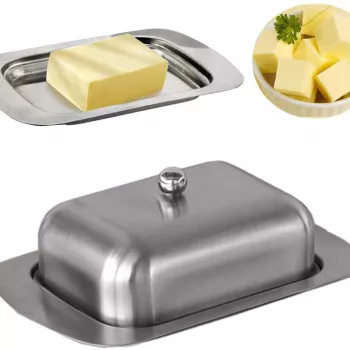
For more butter-handling tips (including storage and serving ideas), visit this guide to a stainless steel butter dish with lid for butter and cheese.
Medium-low is usually safest. Melt slowly and remove from heat as soon as it’s fully liquid if you want to avoid any browning.





Leave a comment