A calm zone is a small, intentional space designed to help your nervous system downshift—quickly and consistently. Done well, it becomes a reliable “exhale spot” you can actually use on real days: busy mornings, loud afternoons, and the moment your brain won’t stop looping at night. Below is a practical way to choose a location, shape the environment (light, sound, scent, texture), and build a simple routine so the space gets used—not just admired.
A calm zone supports regulation. It reduces sensory load and adds cues of safety and comfort—signals your body can recognize without much effort. It can be a corner, a chair, a balcony spot, a bedside nook, or even a closet-sized retreat; size matters less than consistency. It isn’t a “perfect” room makeover or a new standard you have to maintain. A good calm zone is functional, easy to reset, and forgiving.
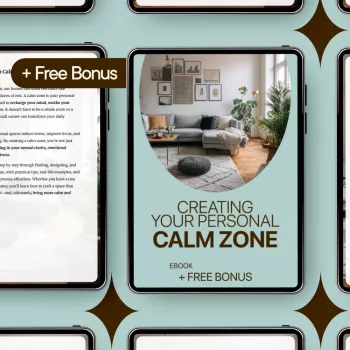
A simple success measure: within 5–10 minutes, it feels easier to breathe, think, and reset—even if nothing else about the day has changed. If you want a guided, step-by-step layout that helps you make decisions faster, Creating Your Personal Calm Zone: The Ultimate Home Calm Zone Setup Guide can provide checklists and a clear setup path.
Start with traffic flow. The best calm zones are away from the front door, TV, kitchen workflow, and main walkways. Next, look for controllable light and sound: a door that closes, a curtain, a folding screen, or simply a corner that feels visually “contained.” Then consider posture options—because regulation is hard when you’re uncomfortable. A chair where your feet can ground, a floor cushion with back support, or a bedside setup for short resets all work.
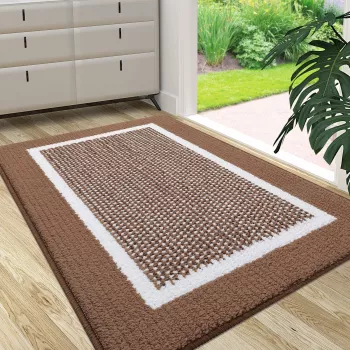
Finally, plan for daily access. The best spot is the one you’ll actually use when time is tight. Set a simple boundary (a small rug, plant, shelf edge, or even a subtle tape line) that signals “this is the zone.”
| Option | Best for | Simple boundary |
|---|---|---|
| Bedroom corner | Evening wind-down, anxious nights | Lamp + small rug |
| Living-room nook | Midday reset without isolating | Chair + side table |
| Home office corner | Work breaks, screen fatigue | Folding screen or plant |
| Balcony/porch spot | Fresh air, quick mood shift | Outdoor mat + throw |
Think “less but reliable.” A few items that always live in the zone beat a big collection that migrates around the house.
Reduce visual clutter and soften contrast. Choose one soothing focal point: a plant, a simple art print, or an unlit candle. The goal is a gentle place for your eyes to land.
Pick one consistent audio cue—white noise, nature sounds, or a slow playlist—and keep it zone-only. Consistency builds association faster than variety.
Include at least two textures: a soft throw plus a supportive cushion, or a smooth stone paired with a knit blanket. Texture is an easy way to cue safety through the body.
If clutter keeps creeping in, a focused decluttering system can help the zone stay visually calm. Clear & Cozy: Smart Ideas for Tackling Living Room Clutter is a practical option for building habits that prevent “stuff piles” from taking over your quiet corner.
For evidence-based relaxation ideas, see the National Center for Complementary and Integrative Health (NCCIH) overview of relaxation techniques and the CDC’s stress coping resources.
If your calm zone overlaps with a desk or computer nook, reduce physical strain. Neutral wrist position, a comfortable mouse grip, and regular micro-breaks prevent tension that can sabotage the whole point of resetting. If hand strain is part of your stress loop, Hands at Ease: Stop Mouse Pain Fast is a practical guide for improving ergonomic comfort so your “calm corner” doesn’t keep triggering aches.
If the zone is in a shared room, add a visual cue—a folded throw, small sign, or screen—so others can tell it’s in use without a big conversation every time. For broader stress education and tools, the American Psychological Association’s stress resources offer helpful context and strategies.
A step-by-step guide can speed up decisions on layout, sensory choices, and routines so the zone feels coherent rather than random. If you want a structured plan with checklists and examples for different home sizes, explore Creating Your Personal Calm Zone: The Ultimate Home Calm Zone Setup Guide.
A chair-sized nook or a small corner is enough. Focus on a clear boundary, consistent cues (like one lamp and one sound option), and a ready-to-use kit rather than square footage.
Use portable sound control (white noise, headphones, or a fan), add a visual boundary (curtain or screen), and rely on a short routine that works in five minutes. A simple signal—like a specific lamp turned on—can also communicate that the zone is in use.
Limit items to a small basket and keep a one-in, one-out rule. A weekly two-minute reset to return objects and clear surfaces prevents the space from turning into overflow storage.





Leave a comment