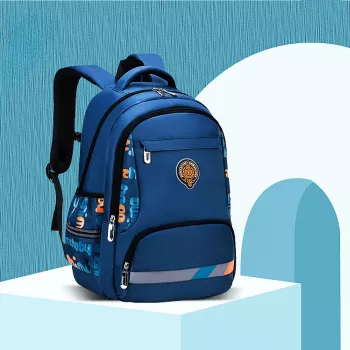
How to Choose a Light, Breathable, Roomy School Backpack

Lightweight, Breathable, and Roomy: What a School Backpack Should Actually Feel Like

A school backpack should feel comfortable from the first bell to the last—without overheating, digging into shoulders, or running out of space. The best designs don’t just “look” light; they carry well, ventilate where it matters, and stay organized so weight doesn’t shift around all day. Below is a practical breakdown of what to look for in a lightweight, breathable, large-capacity boys backpack, plus simple packing habits that make a noticeable difference by week two of school.

What Makes a Backpack Feel Light All Day

A backpack can be technically lightweight yet still feel tiring if the load rides poorly. Comfort is mostly about how the bag distributes pressure and prevents the contents from pulling backward or to one side.

  • Low base weight: The pack itself should be easy to lift even when empty, so the student’s carry load is mostly school supplies—not the bag.
  • Wide, padded shoulder straps: Wider straps spread pressure across more surface area, which helps reduce shoulder “pinch points.”
  • Supportive back panel: A structured, cushioned panel helps avoid hot spots and keeps the load stable when walking fast between classes.
  • Sensible compartment layout: Balanced pockets keep items from drifting to one side (a surprisingly common reason a bag feels heavier).
  • Strong top handle: A durable grab handle matters for quick lifts at lockers, bus seats, and car drop-off.

Breathability: Back Panel and Strap Details That Matter

Breathability is less about a buzzword and more about the surfaces that touch the body for hours. The back panel and straps do the heavy lifting here—literally and thermally.

  • Airflow channels: Raised padding patterns create tiny gaps so heat can escape instead of getting trapped against a shirt.
  • Mesh contact zones: Mesh helps reduce sweat buildup during walks, bus lines, and outdoor recess.
  • Breathable shoulder straps: Ventilated foam or mesh on the underside of straps can make warm-weather carrying noticeably more comfortable.
  • Moisture management: Breathable materials help, but quick-drying linings and wipe-clean surfaces also cut down on odor after long days.

For more general fit and load guidance, these safety resources are worth bookmarking: American Academy of Pediatrics: Backpack Safety and American Chiropractic Association: Backpack Safety Tips.

Large Capacity Without the Bulky Feel

Large capacity shouldn’t automatically mean “big and boxy.” A good school bag can hold a full day’s load while still looking streamlined and moving easily through crowded hallways.

  • Roomy main compartment: Enough space for textbooks, binders, and lunch containers without forcing zippers.
  • Smaller essentials pockets: Dedicated spots for keys, card holder, or earbuds reduce bottom-of-the-bag digging (and the zipper-open spill that follows).
  • Divider or sleeve for flat items: Keeps folders and notebooks from bending and helps the bag pack in tidy layers.
  • Side pockets for water bottles: Keeps weight balanced left-to-right and prevents internal leaks near schoolwork.
  • Compression-friendly shape: A structured design can look slimmer even when carrying more.

Backpack Capacity Checklist for a Typical School Day

Load item Best compartment Why it helps
Textbooks / heavy notebooks Main compartment (closest to back) Keeps the center of gravity near the body to reduce strain
Binder / folders Flat sleeve or divider Prevents bent corners and keeps papers neat
Lunch box Main compartment or separate lower area Reduces crushing and helps distribute weight
Water bottle Side pocket Balances weight and reduces internal spills
Small items (pencils, ID, keys) Front pocket/organizer Fast access without unpacking everything

Comfort and Fit: Getting the Straps Right

Even a great backpack can feel wrong if it’s worn too low or packed in a way that pulls backward. A few quick adjustments can improve comfort immediately.

  • Wear it high and snug: Adjust straps so the pack sits closer to the upper back instead of sagging toward the lower back.
  • Use both shoulder straps: One-strap carrying increases shoulder and neck strain and can cause the pack to swing.
  • Consider a chest strap: If available, it stabilizes the load during running, biking, or long walks.
  • Check strap edges: Padding should feel supportive, not stiff, and shouldn’t rub the neck or underarms.
  • Move heavy items inward: If the bag feels like it’s pulling backward, shift weight closer to the back panel.

Materials, Zippers, and Stitching: Durability That Survives the School Year

Smart Packing for Less Strain

Everyday Convenience Features Kids Actually Use

Lightweight & Breathable Large Capacity Boys Backpack for School: At-a-Glance

Quick Overview

Detail Value
Product Lightweight & Breathable Large Capacity Boys Backpack for School
Price 75.11 USD
Availability In stock
Product page Lightweight & Breathable Large Capacity Boys Backpack for School

Shop In-Stock Picks

FAQ

How should a school backpack fit a boy’s back and shoulders?

The backpack should sit high and snug on the back with both shoulder straps used and adjusted evenly. Keep heavy items closest to the back panel and avoid letting the bag sag below the waist; if a chest strap is available, it can help stabilize the load.

What makes a backpack “breathable” and does it really help?

Breathable backpacks use mesh, ventilated foam, and airflow channels to reduce heat and sweat buildup where the pack touches the body. It helps most during warm weather, long walks, or active school days—especially when the shoulder straps and back panel are designed for airflow.

How can a large capacity backpack stay comfortable when it’s full?

Comfort comes from weight distribution: a structured layout, stable compartments, and packing the heaviest items closest to the back panel. Avoid overloading front pockets and use dividers or organizers so the load doesn’t shift while moving.


Leave a comment

Shopping cart

×