Bird droppings can stain, etch, and dull clear coat quickly—especially in sun and heat. The safest approach is to soften and lift the mess with lubrication and gentle tools, then protect the paint so the next cleanup is faster and less risky. The steps below prioritize scratch-free technique, quick response, and simple prevention habits.
Bird waste is more than an eyesore. It’s a fast-acting mix of acids and contaminants that can permanently change how your clear coat reflects light.
For general car-care guidance and safe cleaning basics, see resources from the International Carwash Association (ICA) and Meguiar’s.
The goal is to cool the area, add lubrication, and let time do the softening—so you never “grind” residue into the paint.
| Item | Purpose | Notes |
|---|---|---|
| Quick detailer or rinseless wash mix | Lubrication to reduce friction | Use a spray bottle for control |
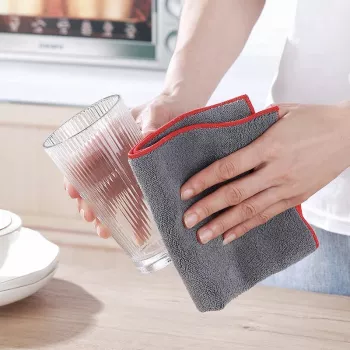
| 2–3 clean microfiber towels | Lift residue without scratching | Dedicated towels for “dirty jobs” help |
| Small bottle of water | Pre-wet and rinse | Distilled water can reduce spotting |
| Nitrile gloves (optional) | Hygiene and grip | Useful for roadside cleanups |
Fresh droppings are usually easy to remove without any polishing—if you keep the surface wet and the towel clean.
If the dropping has dried hard (or “baked” on a warm hood), patience prevents marring. Think of it as dissolving and lifting in layers, not scraping.
| Method | Best for | Scratch risk | Key rule |
|---|---|---|---|
| Soak + blot with microfiber | Fresh and moderately dried droppings | Low | Let dwell time do the work |
| Rinseless wash (spray + wipe) | Quick cleanup without hose | Low–Medium | Use lots of lubrication and clean towels |
| Full wash (two-bucket or foam pre-soak) | Multiple spots or heavy contamination | Low | Pre-rinse and use a grit guard |
| Dry wipe / napkin / sleeve | Never recommended | High | Avoid entirely |
For broader maintenance reminders that help keep paint looking newer longer, AAA’s auto care resources are a helpful reference point.
When the surface looks “clean” but still shows a shadow, it’s often damage to the clear coat rather than leftover grime.
Yes. Uric acid can etch the clear coat, and heat speeds up the process, sometimes leaving a dull “ghost” outline even after the mess is removed. Quick cleanup and a protective layer help, and polishing may reduce visible marks if etching is light.
Plain water, a quick detailer, or a rinseless wash solution are the safest options because they add lubrication and soften the residue. Let it dwell before touching the surface, and avoid harsh household cleaners that can strip protection or haze materials.
Scratches happen when gritty particles get dragged across paint—most often from wiping dry or using rough paper products. Soak first, blot/lift rather than scrub, wipe in straight light passes, and rotate to a clean microfiber side often.




Leave a comment