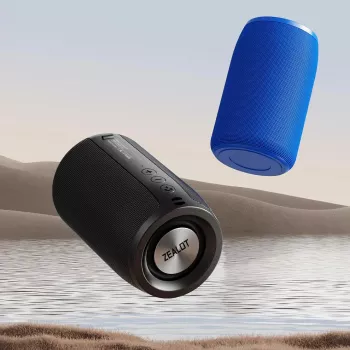
A compact speaker can be the difference between background noise and real, room-filling sound—especially when it’s built for travel, splashes, and multiple ways to play music. This guide breaks down what to expect from a portable Bluetooth speaker that emphasizes deep bass, water resistance, and flexible inputs like AUX and TF (microSD) card support. For more guidance, see Tronsmart Bang SE | Headphone Reviews and Discussion.
Portable speakers earn their keep when they fit naturally into daily routines—moving from desk to kitchen, from a weekend trip to a backyard hang, without extra fuss. A deep-bass tuning adds weight to modern music and movie soundtracks, while a water-resistant build helps the speaker stay in the mix around spills, humidity, and unpredictable weather. For further reading, see Tronsmart Bang Max | Headphone Reviews and Discussion.
“Deep bass” in a compact speaker usually comes from smart tuning and enclosure design rather than sheer driver size. Many small speakers intentionally lift the lows to create a more powerful first impression, which can sound great for beats-forward playlists but may crowd vocals if placement and volume aren’t dialed in.
For a quick “cleaner sound” setup indoors, try placing the speaker on a firm surface (table, shelf, countertop) and leaving a little space behind it. If the low-end feels boomy, pull it farther from walls; if it feels thin, move it slightly closer to a wall for gentle reinforcement.
Water-resistant speakers are designed to handle real life: splashes, brief rain, humid bathrooms, and the occasional near-miss at the pool. That said, water protection can mean different things depending on the product’s rating and how its ports are sealed. If you want to understand what “IP” labels generally indicate, the IEC’s overview of the IP Code is a helpful reference: IEC 60529: IP ratings.
Pool chemicals and saltwater are tougher than fresh water. If you use a speaker near chlorine or the ocean, a quick wipe-down afterward can make a big difference in keeping buttons and ports feeling responsive over time.
Flexible inputs are one of the biggest quality-of-life upgrades in a portable speaker. Bluetooth is great for everyday streaming, AUX is a dependable option when interference or latency matters, and TF (microSD) playback is ideal when you want music without a phone connection.
| Mode | Best for | Upside | Tradeoff |
|---|---|---|---|
| Bluetooth | Travel and everyday streaming | No cables; easy pairing | Can be affected by interference; possible video delay |
| AUX | TV/laptop/gaming | Stable connection; low delay | Requires cable; device must have headphone/line out |
| TF (microSD) card | Offline playlists and phone-free use | Works without a phone signal or pairing | Track navigation depends on speaker controls and file organization |
Yes—compact speakers can emphasize low frequencies through tuning and enclosure design, creating a punchy “bigger than it looks” effect. For stronger perceived bass, place it on a solid surface and avoid corners if the lows start to sound boomy.
It’s typically safe for splashes and humid environments, but “waterproof” doesn’t always mean safe for repeated submersion. Make sure any port covers are sealed before exposure, and let the speaker dry fully before charging to help prevent corrosion.
TF (microSD) playback enables phone-free listening with no pairing, fewer interruptions, and no need for a data signal. Loading well-organized folders and common file formats makes track navigation smoother using the speaker’s onboard controls.




Leave a comment