Reactive lunging usually happens when a dog feels trapped, surprised, or overwhelmed. The fastest path to improvement is a mix of safety management (so the lunging can’t keep “working”) and training that changes how your dog feels about triggers.
Find your dog’s “safe distance” from the trigger (dog, person, scooter, etc.)—the point where they can notice it and still eat treats and respond to you. Start there, even if it means crossing the street, ducking behind a car, or choosing quieter routes and times.
A well-fitted front-clip harness plus a standard leash gives you more control without choking or escalating panic. Avoid corrections with prong, choke, or shock tools; pain and pressure can increase reactivity and make lunging worse over time.
Practice a quick U-turn cue (like “This way!”) at home, then on easy walks. Reward as you turn and move away. When you spot a trigger too close, use the cue early—before the leash goes tight.
When your dog sees the trigger at a manageable distance, immediately feed high-value treats in a steady rhythm. When the trigger disappears, treats stop. Over repetitions, the trigger starts predicting good things instead of conflict.
Reward check-ins, loose leash steps, and choosing to look away. If your dog fixates, increase distance and reset rather than waiting for an explosion.
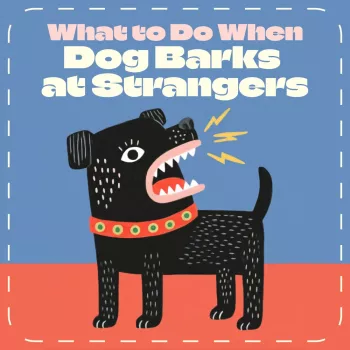
If lunging is tied to barking at strangers, follow a structured, step-by-step approach that builds calm habits on walks. See the full guide here: Dog barking at strangers: a calm plan (with printable checklist).
If lunging involves bites, redirected biting, or escalating intensity, work with a qualified force-free trainer or veterinary behaviorist. A tailored setup can speed progress and keep everyone safe.
Create distance, feed high-value treats when your dog notices the person without exploding, and use a practiced U-turn to leave if the trigger is too close. Consistent repetition teaches your dog that strangers predict rewards and space, not confrontation.



Leave a comment