Spotting is light vaginal bleeding that’s usually lighter than a regular period. The most common sign is a small amount of blood you notice on toilet paper, in your underwear, or on a panty liner—often pink, red, or brown. It can appear as a few spots, faint streaks, or intermittent light bleeding that comes and goes.
Typical signs of spotting include:
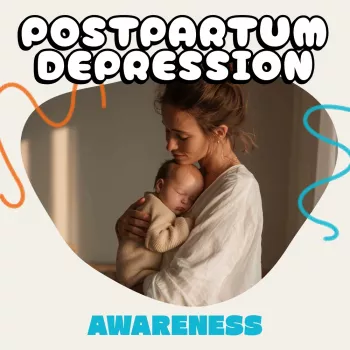
After pregnancy, it can be easy to confuse spotting with postpartum bleeding (lochia), which can also start heavy and gradually become lighter and browner over time. Because postpartum symptoms can overlap with emotional changes too, it can help to review a broader postpartum health checklist. For more on postpartum recovery and what to watch for, visit this guide on postpartum depression signs and support.
Contact a healthcare professional promptly if spotting is accompanied by severe pain, dizziness, fainting, fever, a foul-smelling discharge, bleeding that becomes heavy (soaking a pad within an hour), or if there’s any chance of pregnancy and you’re concerned.
For Signs of Spotting: What Light Bleeding Looks Like, the best answer depends on fit, material, care instructions, and how the product will be used day to day.
Checking those details first helps avoid a poor match and keeps the choice practical after delivery.
For Signs of Spotting: What Light Bleeding Looks Like, the best answer depends on fit, material, care instructions, and how the product will be used day to day.
Yes. Significant stress can affect hormones and ovulation timing, which may lead to light bleeding between periods for some people.




Leave a comment