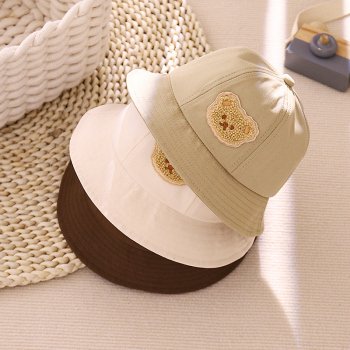
A soft baby hat does more than look adorable—it helps regulate temperature, keeps tiny ears cozy, and adds comfort during outings, naps, and stroller time. Cartoon-themed hats add a playful touch for everyday wear while still serving a practical purpose: a gentle layer that can be put on quickly when the weather shifts, the car A/C feels chilly, or a morning walk turns breezy. Below are the details that matter most—fabric feel, fit, and care—so the hat stays comfortable on sensitive skin and easy to use day after day.
The best baby hats feel “barely there” while still staying put. Since babies can’t adjust a slipping edge or tell you what’s itchy, comfort-focused construction matters as much as cuteness.
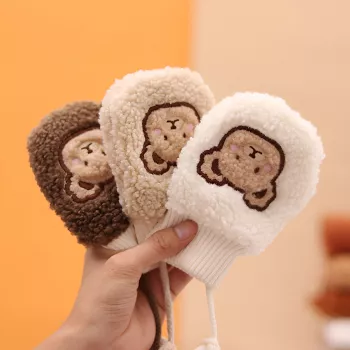
If you want a simple accessory that instantly makes an outfit look sweeter, a cartoon hat is an easy win. It’s also one of the most practical small gifts: useful in real life, cute in photos, and easy to pack.
| Item | Details |
|---|---|
| Product | Cartoon Baby Hat |
| Price | USD $25.98 |
| Availability | In stock |
| Product page | https://estallos.com/cartoon-baby-hat/ |
For parents who like having a simple routine helper on hand—especially during those frequent outfit changes—consider pairing the hat with a planning-friendly download like Midnight Diaper Duty Made Easy – Printable New Parent Checklist for a practical add-on that supports day-to-day baby care.
Fit is what separates a “cute but never used” hat from one that becomes a daily grab-and-go essential. A good fit stays above the eyebrows, keeps the ears cozy (if designed to), and doesn’t create pressure points when baby rests against a stroller seat or your shoulder.
Baby hats are most useful as a flexible layer—easy to add, easy to remove. The key is monitoring warmth and choosing safe moments to wear one.
For additional sleep clothing tips and temperature comfort, HealthyChildren.org (AAP) guidance on baby sleep is a helpful reference for parents navigating layering decisions.
Babies have delicate skin, and their comfort can change quickly with temperature and friction. A cartoon hat should feel soft inside and out—decorative elements should add charm without becoming scratchy.
If you see persistent deep marks on the forehead, baby gets fussy as soon as it’s on, or it’s difficult to pull on and off, the hat may be too tight. Mild temporary lines can be normal, but they should fade quickly and shouldn’t affect comfort during cuddles or naps in arms.
Generally, hats are not recommended during unsupervised sleep due to the risk of overheating. Use appropriate room temperature and sleep clothing instead, and ask a pediatrician for guidance if there’s a medical reason to consider exceptions.
A baby hat should sit above the eyebrows without slipping over the eyes and feel snug enough to stay on without leaving lasting indentations. Measuring head circumference helps you choose a size that covers the ears (if intended) while staying comfortable for longer wear.




Leave a comment