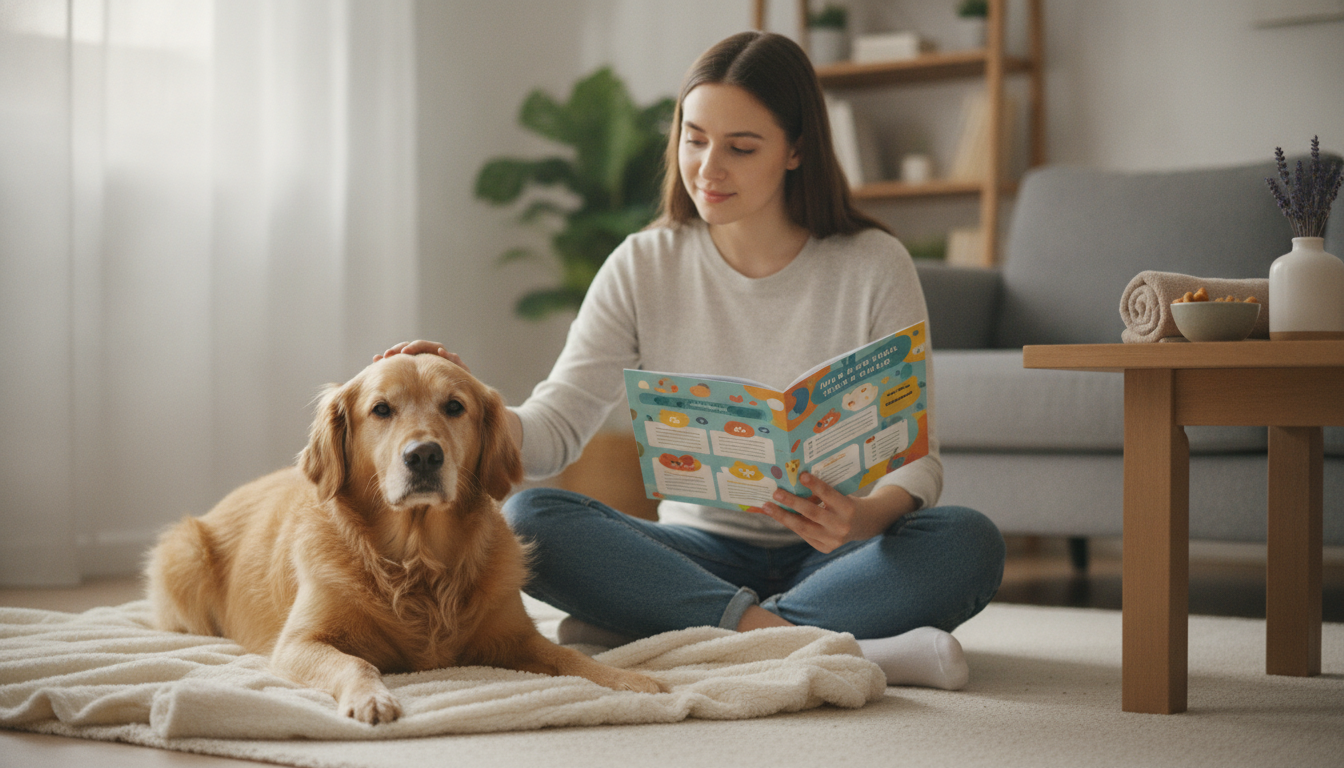
Some dogs start worrying the moment the carrier comes out or the car turns toward the clinic. A calmer vet visit usually comes from small, repeatable habits—at home, on the way, in the waiting room, and during handling. This guide breaks the process into a simple, printable-style checklist so dog owners can practice confidence-building steps that reduce fear and make appointments safer and smoother. For more guidance, see How to make veterinary visits less stressful for dogs.
Veterinary clinics are packed with unfamiliar smells, slippery floors, strange equipment, and other animals—plus procedures that can feel scary (restraint, needles, being touched in sensitive places). If a dog has had a painful or rushed experience before, even the parking lot can become a trigger. For further reading, see How Can I Help My Dog Overcome Vet Anxiety?.
“Calm” doesn’t have to mean tail-wagging enthusiasm. A more realistic win is: your dog can tolerate handling with minimal distress. Small gains—taking one treat, allowing one ear touch, choosing to step onto the scale—stack into safer, faster appointments.
Watch for early stress signals: lip licking, yawning, “whale eye,” shaking off, panting when it’s not hot, tucked tail, crouching, refusing treats, growling, or freezing. When fear escalates repeatedly, sensitivity often worsens over time. Early, gentle intervention helps prevent a cycle of failed visits.
| What you see | What it may mean | What to do next |
|---|---|---|
| Sniffing, slow tail wag, taking treats | Curious but unsure | Keep distance from triggers; reward calm looks and relaxed posture |
| Lip licking, yawning, turning head away | Early discomfort | Pause; give space; offer high-value treats; ask staff for a quieter spot |
| Panting, trembling, refusing treats | High stress | Move away; reduce handling; request a low-stimulus room or wait in car |
| Freezing, growling, snapping, trying to flee | Panic/defensive behavior | Stop; prioritize safety; discuss medication or a new plan with the vet |
Most of the progress happens outside the clinic. Short, upbeat practice sessions teach your dog that handling is predictable—and that opting in pays well.
A good strategy starts before you arrive. Many clinics can make small changes that dramatically reduce stress—if they know what your dog needs.
For more background on canine stress signals and behavior, see the American Veterinary Medical Association’s canine behavior resources and the handling approach promoted by Fear Free Pets.
Treat refusal usually means stress is too high. Create distance, reduce handling, ask to wait in the car or a quiet room, and try higher-value soft treats or lickables; if it’s a pattern, discuss a slower cooperative-care plan and possible pre-visit medication with your veterinarian.
Yes—when a properly fitted basket muzzle is introduced with positive training at home and used to improve safety. Coordinate with the clinic so your dog can still pant and take treats, and never use a muzzle as punishment.
Do brief daily handling games (ears, paws, mouth) paired with rewards, practice gentle restraint for just a few seconds, and keep sessions short enough that your puppy stays under threshold. Low-pressure “happy visits” can also help your puppy learn that the clinic predicts good things.



Leave a comment