Most beauty advisors don’t need a college degree to get hired. Many roles in cosmetics retail, salons, and brand counters focus more on product knowledge, customer service, and hands-on selling skills than formal education. Employers often provide brand training, shade-matching guidance, and product education as part of onboarding.
Hiring managers usually prioritize communication, professionalism, and the ability to recommend products confidently. Experience in retail, makeup application, skincare consultations, or even content creation can be just as valuable as a diploma. A strong understanding of skin types, undertones, common concerns (like acne or sensitivity), and hygiene best practices can set candidates apart quickly.
A degree may be useful if the job leans into management, marketing, education, or brand training roles. Some beauty advisors use degrees in business, communications, or cosmetology-related fields to move into leadership positions faster. If the position is in a clinical environment, note that diagnosing skin conditions is outside a typical beauty advisor’s scope—licensed professionals handle medical claims.
Short courses and certifications can strengthen skills without requiring a four-year program. Common options include cosmetology or esthetics programs (where applicable), brand-specific academies, and continuing education focused on ingredients, sanitation, and client consultation. Building a portfolio—before-and-after looks, routine recommendations, or a record of client results—can be persuasive during interviews.
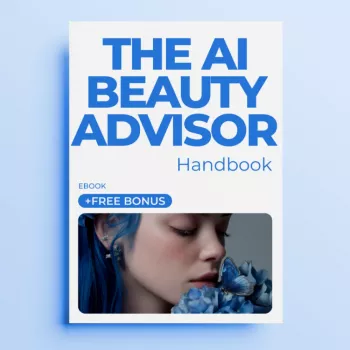
For a deeper breakdown of responsibilities, skills, and day-to-day expectations, see the full guide: AI Beauty Advisor Handbook: Skincare, Makeup & Hair.
For Beauty Advisor Degree Requirements: What You Really Need, the best answer depends on fit, material, care instructions, and how the product will be used day to day.
Checking those details first helps avoid a poor match and keeps the choice practical after delivery.
They need strong communication, active listening, and the ability to match products to a customer’s goals and budget. Product knowledge, sanitation habits, and confidence with shade matching also make a big difference.




Leave a comment