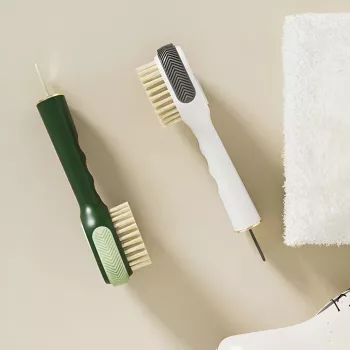
A built-in liquid dispenser and soft-bristle head can make routine cleaning faster and less messy—especially for sneakers, fabric uppers, and everyday clothing stains. This guide covers what the brush is designed to do, where it performs best, and how to use it effectively without damaging delicate materials. For more guidance, see Sensory Ideas: People as Helpers: The Cleaner – Paths to Literacy.
A liquid-dispensing cleaning brush is all about simplifying quick upkeep. Instead of reaching for soap, then a tool, then more soap again, it combines steps so you can focus on controlled scrubbing. For further reading, see [PDF] BRUSHES (handles not integral with brushware B25G).
If the goal is to keep white midsoles brighter, prevent grime from settling into stitching, or tame small stains before laundry day, a dispenser brush fits nicely into a simple weekly routine.
Not all scrubbers feel the same in hand. The details below are what most people notice after a few cleanups—especially when switching from a short palm brush or a basic sponge.
For a dedicated option made for quick, controlled dispensing, see the Liquid Shoe & Clothes Cleaning Brush with Long Handle and Soft Bristles.
Soft bristles are more forgiving, but materials still react differently to moisture and detergent. Use the brush where it shines, and slow down when you’re working with sensitive finishes.
For general stain and laundering guidance (especially for clothing), the American Cleaning Institute is a useful reference point for practical, material-aware habits.
Better results usually come from smaller amounts of cleaner, more controlled agitation, and thorough wiping—rather than flooding the area and scrubbing hard.
For broader guidance on cleaning routines and safe surface practices in shared spaces, the CDC’s cleaning and disinfecting guidance can help clarify when simple cleaning is enough versus when disinfection is appropriate.
| Tool | Best for | Watch-outs |
|---|---|---|
| Liquid-dispensing soft-bristle brush | Everyday sneaker and fabric touch-ups; clothing spot cleaning | Not ideal for suede/nubuck; avoid over-wetting |
| Stiff bristle scrub brush | Rubber soles, heavy grime on durable materials | Can abrade mesh/knit; may fuzz fabrics |
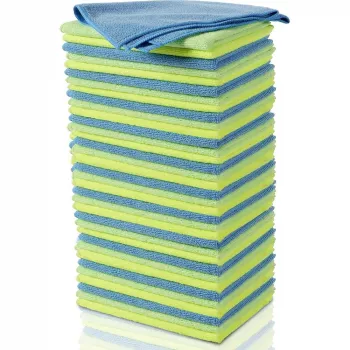
| Microfiber cloth + spray cleaner | Light dirt, quick wipe-downs, delicate surfaces | Less effective on textured soles and seams |
| Suede/nubuck brush (dry) | Raising nap and removing dry marks on suede/nubuck | Avoid liquid cleaners unless product is suede-safe |
Keeping your tools easy to grab also makes quick cleanups more likely to happen. If organizing shelves, bins, or small spaces is part of the plan, Clear & Cozy: Smart Ideas for Tackling Living Room Clutter – A Practical Guide to Decluttering & Organizing Your Space can help you set up a simple system so essentials don’t disappear between uses.
Use caution: suede and nubuck usually respond best to dry brushing, and liquids can darken the nap or leave spots. If you try it, patch-test first and consider switching to a suede-specific brush and cleaner for most suede care.
A mild detergent or a shoe-safe cleaner diluted as directed is typically the safest choice for fabrics and sneakers. Avoid thick gels that can clog the dispenser and skip harsh chemicals that conflict with the care label.
Dispense small amounts, scrub briefly, then wipe or rinse the treated area before it dries. A final damp wipe (for shoes) or a thorough rinse (for clothes) helps prevent filmy buildup.




Leave a comment