Simple Swaps to Reduce Plastic at Home
Reducing plastic at home works best when it’s practical: replace the items used most often, choose durable reusables that fit existing routines, and focus on the biggest sources of single-use packaging first. The swaps below prioritize easy wins in the kitchen, bathroom, laundry, and on-the-go habits—without requiring a perfect “zero-waste” lifestyle.
Start With a Quick Plastic Audit (10 Minutes)
Before buying anything new, do a fast scan of one “hotspot” where plastic piles up. Pick the kitchen counter, bathroom sink, or laundry shelf—anywhere you touch items daily—and list what gets tossed most often.
- Note every disposable plastic item you handle each day (wrappers, cling film, bottles, snack bags, floss picks, sponge heads).
- Sort what you find into: single-use packaging (wrappers, bottles), short-life items (sponges, disposable bags), and long-life plastics (bins, organizers) you can keep until they wear out.
- Choose three swaps for week one. If you already have half-used shampoo, dish soap, or cleaners, use them up first (as long as it’s safe) and plan the replacement for later.
- Track progress with one metric that’s easy to stick with: how many containers or bags you avoided this week—no perfection required.
Kitchen Swaps That Cut the Most Plastic Fast
The kitchen is usually the quickest place to see results because so many plastics are “high-frequency”: packaging, wraps, and daily cleanup tools.
- Replace bottled water: Use a refillable bottle and a filter pitcher or under-sink filter so refilling becomes the default. This also reduces the plastic used in transport packaging.
- Skip cling film: Store leftovers with reusable containers, silicone lids, beeswax wraps, or a simple plate-on-bowl method for short storage.
- Swap disposable sandwich bags: Washable silicone bags or small containers hold snacks, sandwiches, and cut fruit without the daily trash.
- Buy larger formats when it truly helps: When it fits your household, choose bigger sizes for staples like oats, rice, coffee, and cooking oil, then decant into jars you already own.
- Choose loose produce when possible: Keep reusable produce bags by your keys (or inside your main shopping tote) so forgetting them is less likely.
- Ditch plastic sponges: Try cellulose sponges, cotton dishcloths, or scrub brushes with replaceable heads. Let them dry fully between uses to extend life and reduce funk.
High-impact kitchen swaps (cost, effort, and what they replace)
| Plastic item |
Simple swap |
Effort level |
Typical benefit |
| Cling film |
Reusable lids / wraps / containers |
Low |
Cuts frequent single-use waste from leftovers |
| Bottled water |
Refillable bottle + home filter |
Low–Medium |
Reduces plastic bottles and transport packaging |
| Snack bags |
Washable silicone bags or containers |
Low |
Avoids daily disposable bags |
| Plastic sponge |
Cellulose sponge or brush + cloth |
Low |
Less microplastic shedding and longer usable life |
| Coffee pods / single-serve packs |
French press / drip / reusable pod |
Medium |
Less packaging and fewer mixed materials |
Bathroom Swaps That Don’t Compromise Comfort
Bathroom changes tend to stick when they’re pleasant to use and simple to store. Aim for swaps that feel like upgrades, not chores.
- Use bar options where they work: Shampoo bars, conditioner bars, and soap bars can replace multiple bottles over time. Store them on a draining dish so they don’t get mushy.
- Try refill systems for liquids: Refills for hand soap, body wash, and lotion can reduce bottle turnover if you have a refill station nearby or can order refills that use less packaging.
- Replace disposable razors: A safety razor or a durable-handle razor with replaceable blades cuts bulky plastic waste and usually lasts longer.
- Swap plastic floss picks: Choose silk or plant-based floss in paper packaging or a refillable container and skip the single-use handles.
- Consider reusable period care: Menstrual cups, discs, or reusable pads can significantly reduce ongoing plastic and packaging. Match the option to comfort, flow, and your care routine.
Laundry and Cleaning: Reduce Bottles, Sheets, and Microplastics
Cleaning aisles are full of single-use plastic bottles and “extras” that add up fast. A simplified system reduces clutter and packaging at the same time.
Groceries and Takeout: Prepare Once, Refuse Often
Avoid Common “Eco Swap” Mistakes
A Simple 2-Week Plan (Small Changes, Real Momentum)
Practical Tools to Stay Consistent
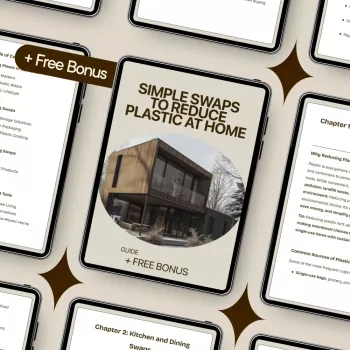
If you want a simple, step-by-step way to keep changes manageable, Practical eco guide for simple home swaps is designed around real routines—prioritizing the highest-frequency disposables first and keeping the process flexible.
To make reusables easier to grab (and easier to put away), consider setting up a dedicated “go zone” by the door. For extra structure, Ideas for organizing daily essentials so reusables are easy to grab can help simplify storage so the low-plastic options become the default.
For more context on why reducing single-use plastics matters—and why reuse is a powerful first step—see the UN Environment Programme’s overview of single-use plastics and the U.S. EPA’s materials, waste, and recycling facts.
FAQ
What are the easiest plastic swaps to start with?
Start with high-frequency items: reusable shopping/produce bags, a refillable water bottle with a filter option, reusable food storage (containers or wraps), and one refillable cleaner bottle with concentrate or tablets.
Are “compostable” products always better than plastic?
Not always. Many compostable items need industrial composting and won’t break down properly in a home compost pile or landfill, so reusables are usually the safer first choice.
How can plastic use be reduced without spending a lot?
Use up what you already have, repurpose jars and containers, buy fewer but larger sizes when it prevents repeat packaging, switch to cloth rags, and add one durable item at a time based on what you replace most often.
Recommended for you






Leave a comment