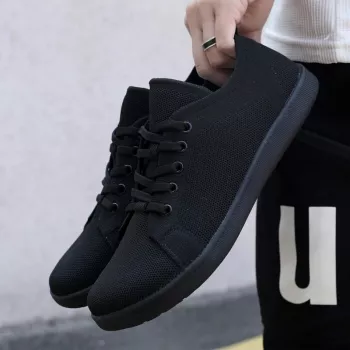
Minimalist barefoot-style sneakers are built to let feet move more naturally, with a low-to-the-ground feel and fewer structure elements than traditional running shoes. That can be appealing for runners who want more ground feedback, a roomier toe area, or a lighter shoe for short runs, gym sessions, and everyday wear. The key is choosing a pair that fits the foot shape, matches the surfaces being used, and supports a sensible transition plan. For more guidance, see Acute Effects of Barefoot and Minimalist Footwear on Medial … – PMC.
If you’re comparing options, it helps to remember that “minimalist” isn’t automatically “better” or “worse”—it’s simply a different tool. Resources like the American College of Sports Medicine’s guidance on selecting running shoes and Harvard Health’s overview of barefoot running considerations both emphasize that fit, comfort, and a gradual approach matter more than hype. For further reading, see The Best Barefoot Shoes for Women | Tested & Ranked.
In practice, minimalist barefoot-style sneakers tend to feel “quicker” and more mobile than heavily cushioned trainers. Many people notice the difference immediately on hard surfaces: the foot senses small changes in texture and slope, which can encourage shorter steps and softer landings. That doesn’t mean the shoe forces perfect form—just that it provides less buffer, so the body gets clearer feedback.
Minimalist shoes often fit well into a mixed-rotation approach: wear them for easy sessions, errands, or strength training, and keep a more traditional trainer available for longer runs or recovery days. This “blend” can reduce the chance of doing too much, too soon—especially if your calves or Achilles tendons aren’t used to the added demand.
| Check | What to look for | Simple test |
|---|---|---|
| Toe box space | Toes can spread comfortably | Stand and lift heels: toes should not feel jammed |
| Heel hold | Heel stays planted without rubbing | Walk briskly for 2 minutes: minimal heel lift |
| Flexibility | Shoe bends with the forefoot | Hold heel and toe: twist gently; it should flex without strain |
| Ground feel | Stable, low-to-ground sensation | Jog in place: foot should feel connected, not wobbly |
| Surface match | Outsole traction fits your routes | Test on tile/sidewalk: no slipping, confident push-off |
A small but important note: don’t “solve” heel slip by buying a size too small. It’s usually better to adjust lacing and confirm that the midfoot is secure, while keeping the toe area comfortably open.
Minimalist Barefoot Running Sneakers for Men & Women are a minimalist, barefoot-style option designed for both men and women who want a natural, flexible feel. They’re useful for short runs, walking, gym sessions, and travel when packing light matters. For anyone experimenting with minimalist running, they’re a practical starting point—especially when paired with a gradual transition plan so feet and calves can adapt comfortably.
They can work for some runners, but long distances usually require a slow transition. Start with short runs, build gradually, and pay close attention to calf/foot soreness and overall recovery.
They should feel secure at the midfoot and heel while leaving generous toe room. Avoid downsizing to “lock in” the foot if it causes toe compression, numbness, or hot spots.
They may encourage more foot and lower-leg engagement, but strength gains come from progressive loading and consistency. Add basic calf and intrinsic-foot exercises and increase running volume slowly.



Leave a comment