A dependable set of microfiber cloths can replace paper towels for most day-to-day cleaning while leaving glass, stainless steel, and screens clearer with less effort. Microfiber works differently than standard rags: it grabs and lifts, holds onto moisture efficiently, and helps reduce the “wipe-and-wipe-again” cycle that causes streaks. Below is a practical guide to what makes microfiber effective, where it performs best, how to get a streak-free finish with less cleaner, and how to wash and organize a 36-pack so it stays soft, absorbent, and reliable over time. For more guidance, see “Lint Free” cloth or towels? – AAW Forum.
Microfiber is made from extremely fine synthetic fibers woven into a dense, high-surface-area fabric. That extra surface area is the core advantage: it helps pick up dust, oils, and residue instead of simply pushing them across the surface. For further reading, see Drying car after washing (microfiber towels) – Kia Telluride Forums.
Many microfiber cloths use a split-fiber structure that “hooks” tiny particles—especially helpful on smooth materials like glass, glossy appliance fronts, and stainless steel. Because microfiber is also highly absorbent, it can reduce drip marks and cut down on repeated passes, which is where streaking often starts.
A large multi-pack also makes day-to-day cleaning easier to manage. With enough cloths to separate tasks (kitchen vs. bathroom, glass vs. electronics), it’s simpler to avoid cross-contamination and keep your best cloths truly lint-free.
Microfiber shines on surfaces that show every fingerprint and haze. On glass and mirrors, a clean cloth can remove skin oils and light residue quickly, especially when paired with minimal moisture. On stainless steel, microfiber helps lift smudges (and any leftover cleaner film) so the finish looks more even.
In kitchens, microfiber is a workhorse for wiping crumbs, cabinet fronts, and appliance doors. For food-contact areas, reserve a dedicated set and wash promptly after greasy tasks. In bathrooms, keep a separate stash for chrome fixtures and sink surfaces so those cloths don’t migrate back to the kitchen. For car care, microfiber is ideal for quick interior touch-ups, including screens and glass, as long as you use the right cleaner and avoid oversaturating.
| Surface | Best approach | Cloth tips |
|---|---|---|
| Mirrors & glass | Lightly dampen with water or a glass cleaner; finish with a dry pass | Use a clean cloth; fold into quarters and rotate to a fresh side |
| Stainless steel | Wipe with the grain; buff dry | Avoid fabric softener residue; switch cloth sides often to prevent smearing |
| Electronics & screens | Dry dusting first; minimal moisture if needed | Use a dedicated cloth; never spray directly onto the device |
| Countertops | Wipe crumbs dry, then damp wipe; sanitize if needed | Color-code for kitchen-only use; wash promptly after greasy tasks |
| Bathroom fixtures | Damp wipe, then dry buff | Keep bathroom cloths separate; replace when frayed or persistently odorous |
Streak-free cleaning is less about stronger chemicals and more about a clean cloth, controlled moisture, and a simple sequence.
Start with a dry microfiber pass to remove dust and grit. This reduces the chance of smearing and helps protect glossy surfaces from tiny scratches that can happen when debris gets dragged around. Next, use less liquid than you think you need—too much spray can dissolve grime into a thin film that dries into streaks.
For deeper guidance on reducing chemical use while maintaining results, the U.S. Environmental Protection Agency (EPA) explains how microfiber can help you clean effectively with less cleaner in many situations.
When disinfecting is needed, follow product labels and consider the CDC’s cleaning and disinfecting guidance for choosing the right approach for the situation (cleaning and disinfecting are not always the same step).
Storage placement also helps. Keeping a few cloths where you need them—under-sink caddies, a pantry cleaning bin, and a small car kit—reduces clutter and makes quick wipe-downs more consistent. For organizing ideas that pair well with a cleaning-cloth rotation, see Clear & Cozy: Smart Ideas for Tackling Living Room Clutter – A Practical Guide to Decluttering & Organizing Your Space.
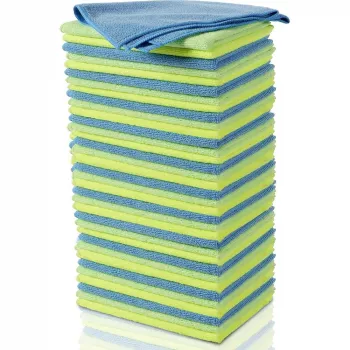
If you want an easy way to build a full cleaning rotation, Microfiber Cleaning Cloths 36 Pack Lint-Free & Streak-Free, Soft & Durable makes it simple to dedicate cloths to specific rooms and surfaces while still keeping clean backups on hand.
For anyone doing lots of computer-based work between cleaning sessions, comfort matters too; Hands at Ease: Stop Mouse Pain Fast is a practical guide for reducing mouse hand strain with ergonomic setup and long-term habits.
Streaks usually come from using too much cleaner, wiping with a cloth face that’s saturated with residue, fabric softener buildup, or using a cloth contaminated with lint. Try a damp-then-dry method and wash cloths with mild detergent only (no softener or dryer sheets).
They can, but better results come from washing separately from cotton towels and other linting fabrics. Use mild detergent, skip fabric softener and dryer sheets, and dry on low heat to protect absorbency and reduce streaking.
With proper care, microfiber cloths can last many wash cycles, but lifespan depends on how heavily they’re used and what they’re used on. When a cloth loses softness, stops absorbing well, or develops persistent odors, retire it to dirtier jobs before replacing it.





Leave a comment